
Maximizing Your Diaper Stash
How to Reduce Waste and Save Money Without Stress?
KEIANN BABY DIAPER
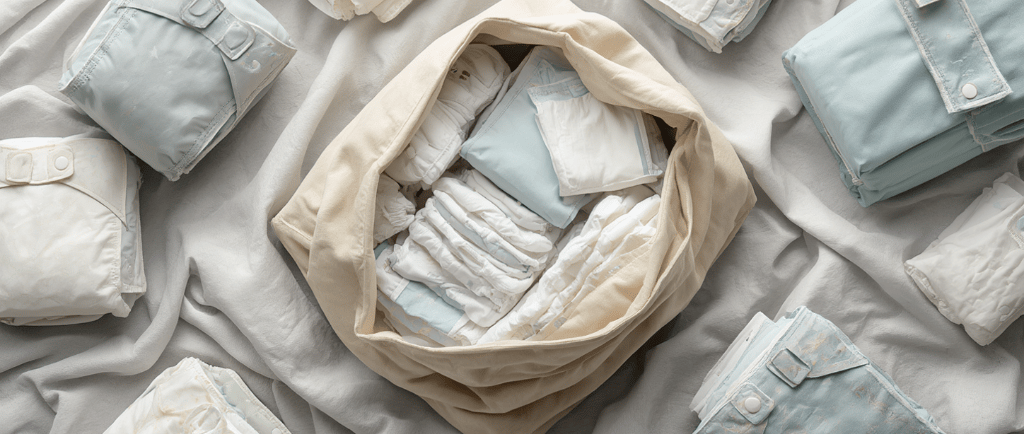
Let’s be honest: diapers are one of the biggest recurring expenses for any new parent. It’s tempting to grab the cheapest bulk box on the shelf to save a few pesos, but seasoned parents know a secret: Not all diapers are created equal.
Maximizing your stash isn’t about changing your baby less—it’s about making every diaper count. Here is how to be "Eco-Smart" and budget-friendly without sacrificing your baby’s comfort.
1. Quality Over Quantity
It sounds counterintuitive, but buying a higher-quality diaper like KeiAnn can actually save you money.
The Math: A "cheap" diaper often lacks a high-tech absorbent core, leading to more frequent changes or, worse, leaks.
The Result: If you use 10 cheap diapers a day versus 6 high-absorbency KeiAnn diapers, the "expensive" option actually costs you less per week and creates less physical waste for the planet.
2. Stop the "Precautionary" Change
Many parents change a diaper the second they see a tiny bit of wetness. While you should always change a soiled (poop) diaper immediately, modern diapers are designed to keep moisture away from the skin.
Check the Indicator: Use the wetness indicator. If it’s only changed a tiny bit, and your baby is comfortable, you can often wait.
Trust the Tech: KeiAnn’s advanced moisture-wicking layers keep the surface dry even when the core is holding liquid, preventing unnecessary diaper waste.
3. Prevent the "Double Waste" (The Blowout)
A "blowout" isn't just a mess—it’s a waste of a diaper, a waste of a wet wipe, a waste of an outfit, and a waste of water/electricity for extra laundry.
The Fix: Ensure the leg cuffs (the "ruffles") are pulled out, not tucked in. This simple 2-second check saves an entire stash of supplies from being used in an emergency cleanup.
4. Store Your Stash Correctly
Did you know diapers can "expire" or lose effectiveness if stored poorly?
Keep it Dry: Store your extra packs in a cool, dry place. Humidity can trigger the wetness indicator or weaken the adhesive tabs before the diaper even touches your baby.
First In, First Out: Use your oldest diapers first so the elastics stay fresh and stretchy.
5. Size Up at the Right Time
Using a diaper that is too small leads to leaks and wasted product. As soon as you see the "Two-Finger Rule" being broken, move to the next size. You’ll use fewer diapers because the larger size has a higher capacity for absorption.
< Return to Blogs